Are you narrowing your search to Indigo on Perdido Key and wondering if you really need a condo specialist by your side? You are not alone. Indigo is a beautiful, complex community where association rules, reserves, and inspections can change both your numbers and your timeline. In this guide, you will learn the building facts that matter, the Florida rules that can make or break your deal, and a practical checklist to help you move with confidence. Let’s dive in.
Indigo at a glance
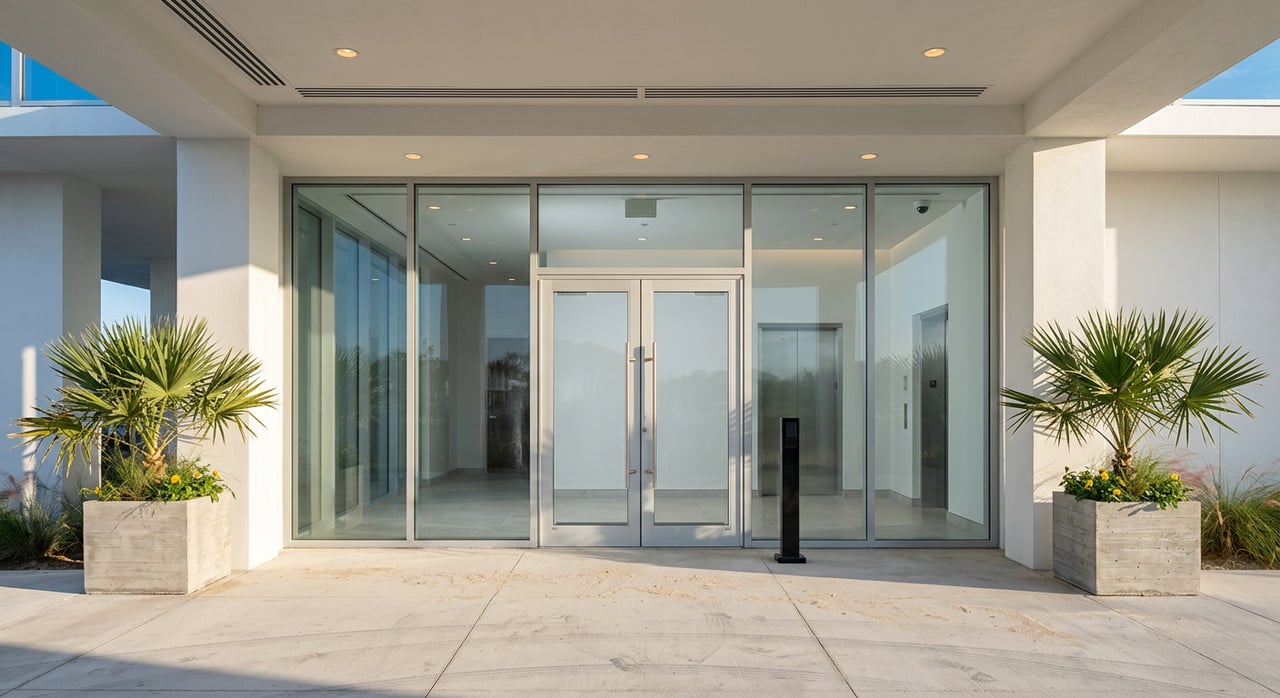
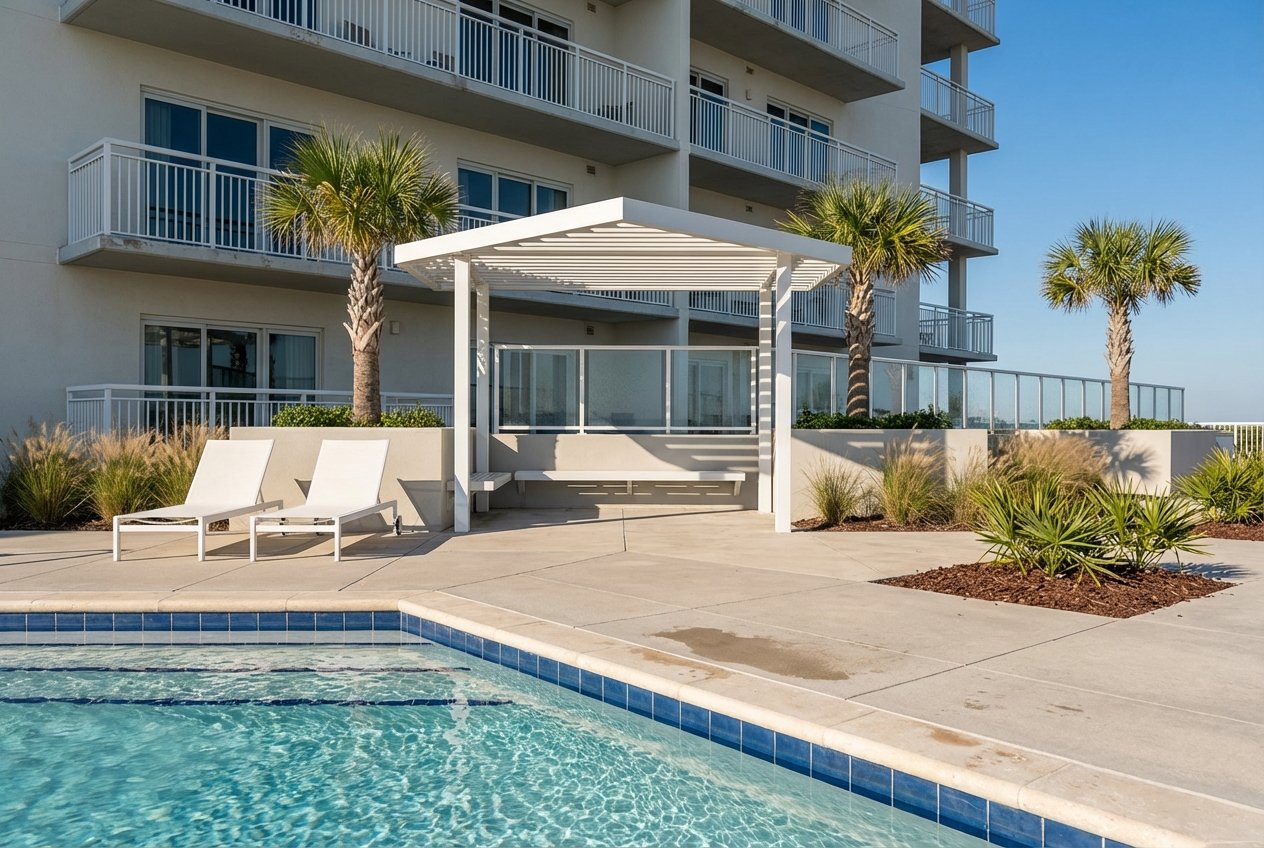
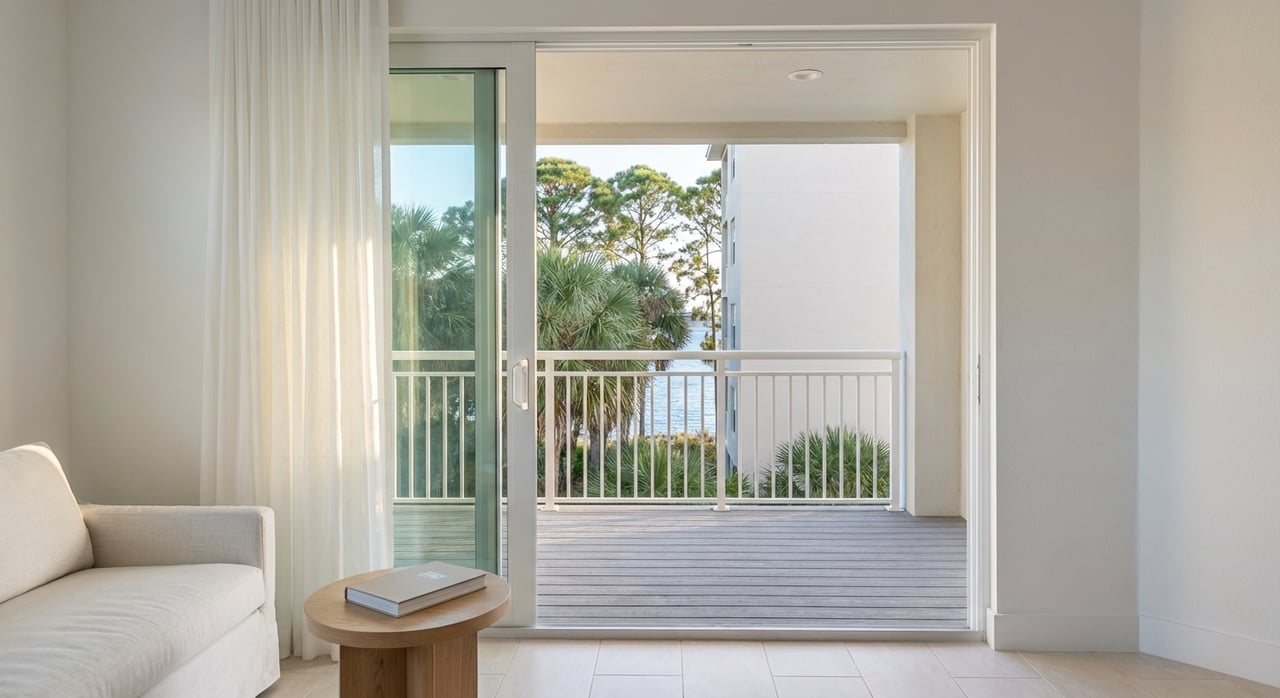
Set on the sugar-white sands at 13621 Perdido Key Drive, Indigo is a two-tower community with two-, three-, and four-bedroom floor plans and resort-style amenities like private beach access, pool, fitness, theatre, and covered parking. You can preview the amenity set on the association’s site under the Indigo amenities page. Indigo has 177 total units across the East and West towers, with private elevator foyers and a gated entrance that speaks to scale and shared systems you will want to understand. You can confirm these details in the Indigo amenities overview.
Recent listings and sales often range from the high six figures to low seven figures. Association dues for larger corner plans commonly fall in the roughly 12,000 to 18,000 dollars per year band, though smaller units and older listings may be lower. Always confirm the current figure for the specific unit you are buying. Perdido Key sits in coastal flood zones, so expect flood insurance to be part of your cost picture. Parcel records for Indigo parcels show FEMA zone designations, which is why elevation data and flood quotes matter.
Why a condo specialist matters here
Buying a condo is not the same as buying a house. At Indigo, the recorded Declaration, multiple amendments, Rules and Regulations, SIRS and milestone reports, estoppel certificate, and the association’s master insurance policy all shape your ownership costs and contract rights. A condo-focused advisor helps you collect these documents early and interpret what they mean for your use, timeline, and budget.
A specialist will also flag Indigo’s use rules that affect many buyers. Indigo enforces a 7-night minimum rental, does not allow non-owner pets on property, is a no-smoking property outside designated areas, and requires authorized parking passes. If you plan to rent, you will need to understand both association rules and county tax registration for short-term stays.
Finally, Indigo has a documented history of square footage clarifications and fractional-share adjustments. This matters for how assessments are allocated. A specialist will confirm which measurement standard and fractional share the association uses when calculating your dues.
The documents that drive your numbers
Request these items as soon as you get serious about an Indigo unit. Most are available through the association, the seller, or the management office.
- Recorded Declaration of Condominium and all Amendments, plus bylaws. Indigo’s buyer page links these governing documents and the latest summary materials.
- Current Rules and Regulations, including the most recent revision date, for rental minimums, pets, parking, and smoking rules.
- Structural Integrity Reserve Study and milestone inspection summary. Florida requires that inspector-prepared summaries be shared with owners and prospective buyers.
- Estoppel certificate. Florida law requires associations to deliver an estoppel within 10 business days of request, and the figures are binding for a short effective period.
- Annual budget, year-end financials, and current reserve balances to compare against SIRS funding needs.
- Master insurance policy declarations and the latest replacement-cost appraisal. State statute requires associations to base coverage on a professional appraisal updated every 36 months.
- Recent meeting minutes and any notices of planned major repairs or special assessments.
- Rental history, permits or registrations, and proof of Tourist Development Tax filings if the unit produces income.
Helpful references:
- See Indigo’s buyer documentation links on the Realtors and Buyers page.
- Review Indigo’s Rules and Regulations for rental and pet policies.
- Read the state’s condo FAQs for SIRS and milestone basics.
- Confirm flood designations and request elevation information for your unit’s footprint.
- For Escambia County short-term rentals, review Tourist Development Tax registration requirements.
Florida rules and timelines that protect your deal
Estoppel certificate and closing clearance
An estoppel certificate confirms what the seller owes, assessments, and the status of the account. Florida statute gives the association 10 business days to deliver it and caps the fee. Title and lenders rely on it to clear closing. Order it immediately after you go under contract to avoid delays. You can find the estoppel rules and other condo procedures in Chapter 718 of the Florida Statutes.
Buyer review and rescission rights on resales
For condo resales, Florida law requires specific disclosures and gives you a short cancellation window tied to delivery of documents like SIRS and milestone summaries. The contract must include the conspicuous statutory language or deliver the documents early. If those requirements are missed, the contract can be voidable. Read the resale disclosure section for exact timing and language.
Milestone inspections and SIRS program
Buildings three or more habitable stories must complete milestone inspections on a state-defined schedule and maintain a Structural Integrity Reserve Study for key components. Inspector-prepared summaries must be shared with owners and prospective buyers, and they tie directly into budgeting. The milestone program is outlined in Florida Statute 553.899, and SIRS guidance appears in state condo resources.
Insurance rules you should know
Associations must insure common elements based on replacement cost determined by an independent appraisal updated at least every 36 months. Master policies often carry large wind or hurricane deductibles. Interior finishes and personal property are usually a unit owner’s responsibility, so an HO-6 policy and loss assessment coverage are important. See the insurance section in Florida Statute 718.111 for details.
Transfer approvals and fees
If the association requires buyer approval, the approval process and any transfer fee must follow the governing documents and statutory limits. Your specialist will confirm whether Indigo requires approval and whether any capital contribution applies. See Chapter 718 for association fee limitations and procedures.
Building systems and inspection focus at Indigo
A coastal high-rise concentrates many expensive systems. Before you waive contingencies or move to closing, prioritize these items:
- SIRS and milestone reports. Read the inspector summary first, then the full engineer report. Confirm if any Phase 2 work is required and whether funding is in place.
- Reserve balances versus SIRS funding plan. If SIRS items are not fully funded, expect special assessments, loans, or budget changes.
- Master insurance declarations. Confirm wind and hurricane deductibles, flood coverage for common elements, and what the policy excludes so your HO-6 can fill gaps. Florida’s insurance statute outlines appraisal and coverage rules for associations.
- Structure and envelope hot spots. Balconies, railings, concrete spalling, waterproofing, windows and sliders, roof, pool equipment, parking or garage elements, elevators, and vertical chases are typical focus areas.
- Mechanical contracts and service histories. Elevators, pool and spa, fire suppression, generator, and sewer or lift stations can be predictable cost drivers. Ask for contracts and recent invoices.
- Unit-level insurance responsibilities. Clarify what the association covers versus your interiors so your coverage is sized correctly.
- Flood and elevation. Ask for an elevation certificate if available and obtain NFIP and private flood quotes tied to the unit’s location.
For SIRS and milestone basics, consult the state’s condo FAQs. For flood exposure context on Indigo parcels, check parcel and FEMA designations.
Common pitfalls a specialist helps you avoid
- Estoppel timing. Ordering late can delay closing, and missing the 10 business day delivery window can cause fee disputes. A specialist orders it the day after contract acceptance per Chapter 718 requirements.
- Missing statutory disclosure language. Post-Surfside changes require exact resale wording and document timing. If your contract omits the language found in the resale statute, the deal can be voidable.
- Square footage and fractional share surprises. Indigo’s amendments addressed measurement methods and fractional shares. Your advisor confirms the association’s measurement and how it affects assessments using the buyer documentation links.
- Insurance deductible exposure. Large wind deductibles can translate to special assessments after a storm. Your specialist requests the master declarations and calculates likely loss assessment exposure with your insurer under the insurance statute.
- Rental or pet rule conflicts. Indigo’s 7-night minimum and no non-owner pets can conflict with plans. Checking Rules and Regulations early avoids costly surprises.
- Hidden projects in minutes. Board minutes often preview upcoming capital work and assessments. A specialist reviews the last 12 to 24 months and requests bids or engineer estimates when needed.
A simple game plan for your Indigo purchase
- Clarify your goal. Decide on unit type and floor preference, intended use, and whether renting is part of your plan.
- Get financial readiness in place. Secure proof of funds or a lender pre-approval before you write.
- Collect key documents early. Ask for the Declaration and Amendments, Rules and Regulations, budget and financials, SIRS or milestone summaries, insurance declarations, and recent minutes using the association’s buyer resources.
- Protect your timelines. Make sure your contract includes the Florida resale disclosures and order the estoppel on day one to keep your closing on track.
- Confirm insurance and flood. Review the master policy, check deductibles and limits, and size your HO-6 and loss assessment coverage. Obtain flood quotes and elevation information as needed.
- If renting, register properly. Verify the 7-night rule and complete Escambia County Tourist Development Tax registration before marketing short stays.
When you are ready, bring your short list of target units, your intended use, proof of funds or a pre-approval, and a few dates for a quick strategy call. If you want a smooth, informed path to keys-in-hand, connect with a local condo expert who knows Indigo’s documents and timelines. Work with Charlie Guy to set up a custom Indigo search and a document-driven plan tailored to your goals.
FAQs
What makes Indigo different from other Perdido Key condos?
- Indigo spans two towers with 177 units, private elevator foyers, and resort amenities like beach access, pool, fitness, and a theatre, which adds governance and maintenance layers you should review on the Indigo buyer pages and amenities overview.
How do Indigo’s rental and pet rules affect me as a buyer?
- Indigo enforces a 7-night minimum rental and does not allow non-owner pets, which can affect income planning and personal use, so read the current Rules and Regulations before you write an offer.
What is a condo estoppel certificate and why does timing matter?
- An estoppel is the association’s official statement of amounts due, assessments, and account status, and Florida law gives the association 10 business days to deliver it, so ordering it right after contract keeps your closing on schedule.
How do SIRS and milestone inspections change my risk at Indigo?
- SIRS and milestone reports identify structural priorities and required reserve funding, and the inspector summary must be shared with buyers, so findings can impact future assessments, repair timelines, and your budget.
What insurance policies should I review before buying at Indigo?
- Review the association’s master policy declarations and the latest replacement-cost appraisal under Florida statute, confirm wind and hurricane deductibles, and size your HO-6 and loss assessment coverage accordingly.
If I plan to rent my Indigo condo, what else should I do?
- Confirm the 7-night minimum, obtain any required association approvals, and register for Escambia County Tourist Development Tax, then keep accurate rental records and filings to stay compliant.