Gulf-Front vs. Bay-Front: Find Your Orange Beach Fit
January 22, 2026
January 22, 2026
Wondering whether a gulf-front condo or a bay-front retreat in Orange Beach fits your lifestyle best? You are not alone. Many second-home buyers weigh beach days against boating days, rental potential against privacy, and storm risk against long-term value. This guide breaks down what life looks like on each shoreline, the ownership details that matter, and a simple checklist to help you choose with confidence. Let’s dive in.
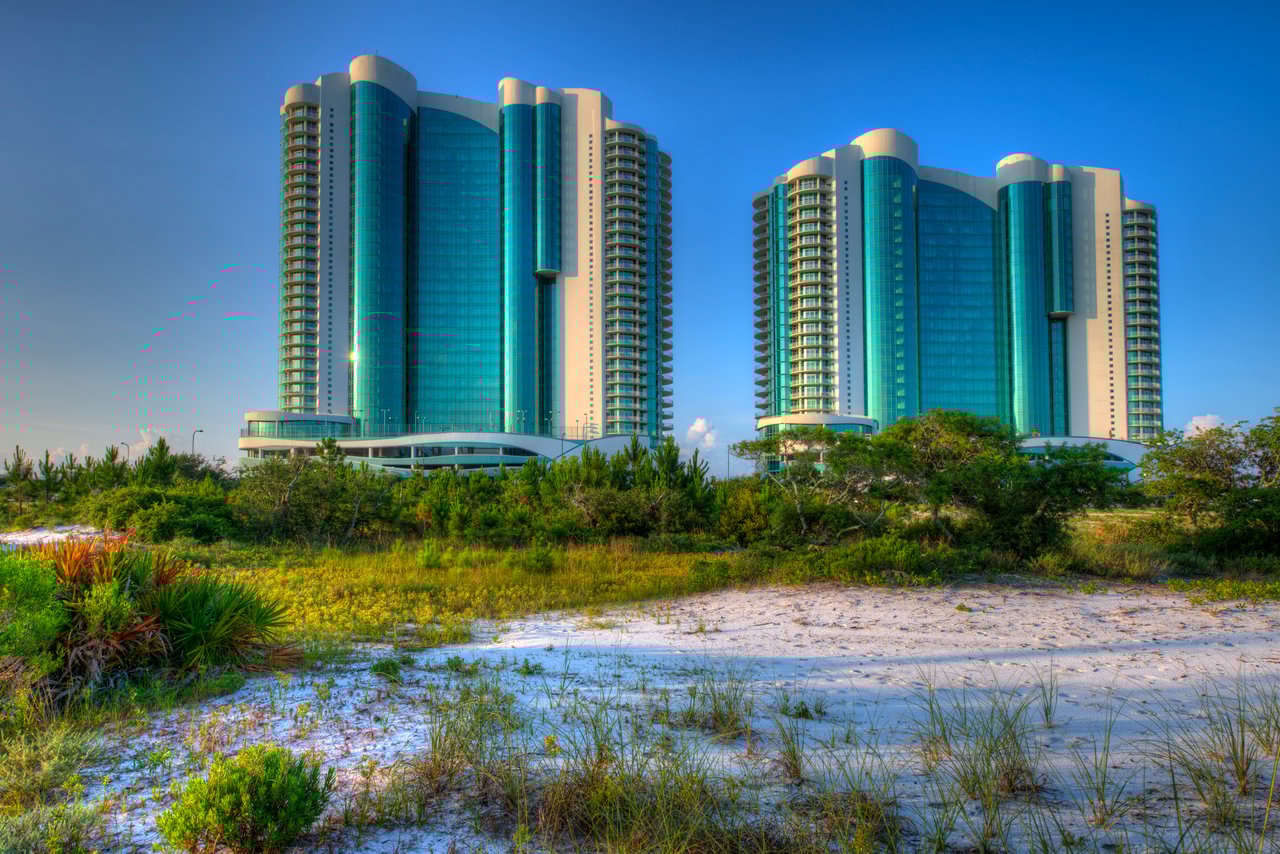
If daily beach walks and quick sand-to-shower transitions are your goal, gulf-front wins. You get direct dune crossover access, beachside pools, and outdoor showers at many developments. In peak season, you will see more activity near public access points and events, which can add energy and noise to the shoreline.
On the bay, you trade surf for smooth water. Your days lean into kayaking, paddleboarding, fishing, and protected-cove swimming. Some properties include small launches, seawalls, and storage for water toys. If you want beach time, the Gulf is typically a short drive away.
Gulf-front works well for surf or pier fishing and taking in the open horizon. For deep-water boating, you will navigate passes and channels such as Perdido Pass to reach the Gulf. Most gulf-side condos do not offer private slips on the ocean side, so proximity to marinas and ramps becomes important.
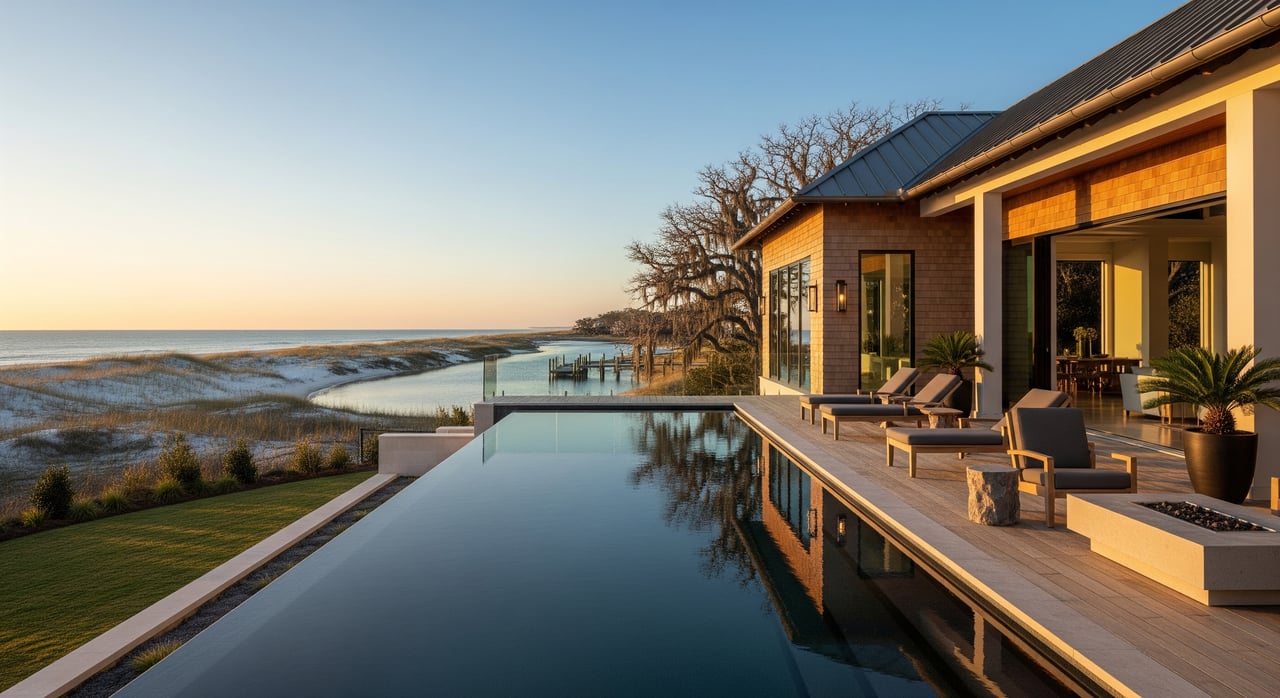
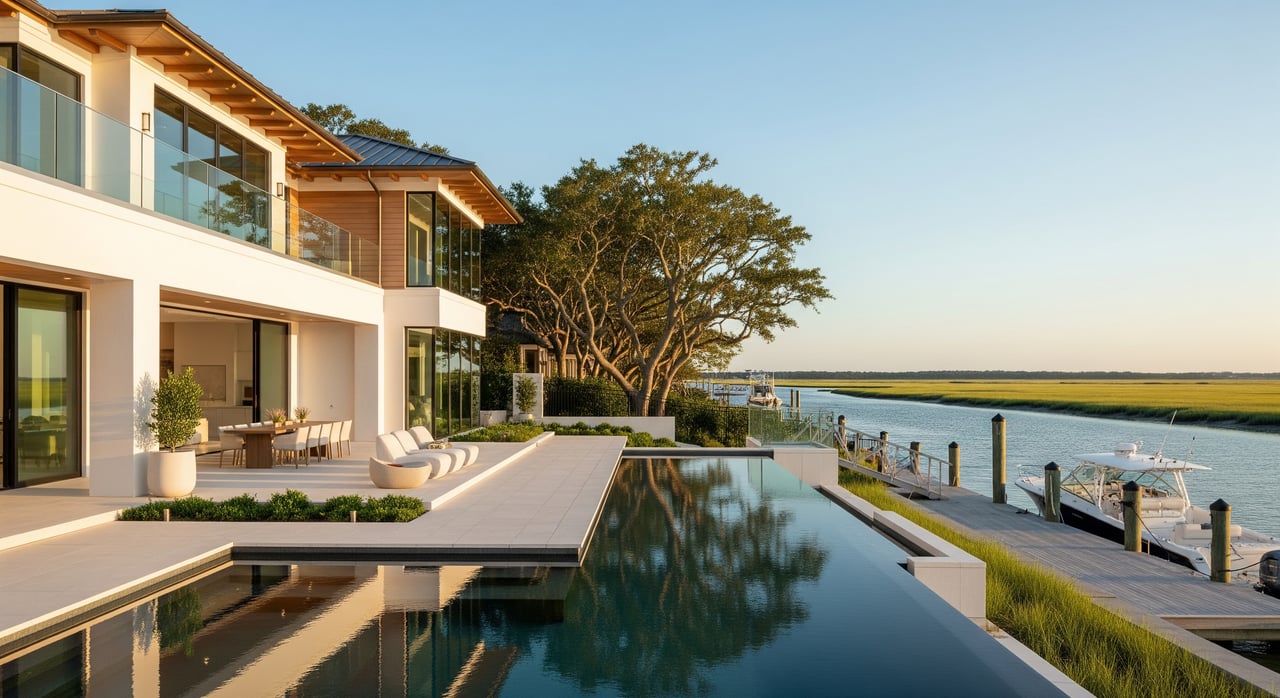
Bay-front is built for boaters. Private docks, community marinas, covered slips, and boat lifts are common. You can jump on the water for a sunset cruise, ski run, or early morning cast without dealing with surf. In narrower channels, note that weekend traffic can create wake and motor noise.
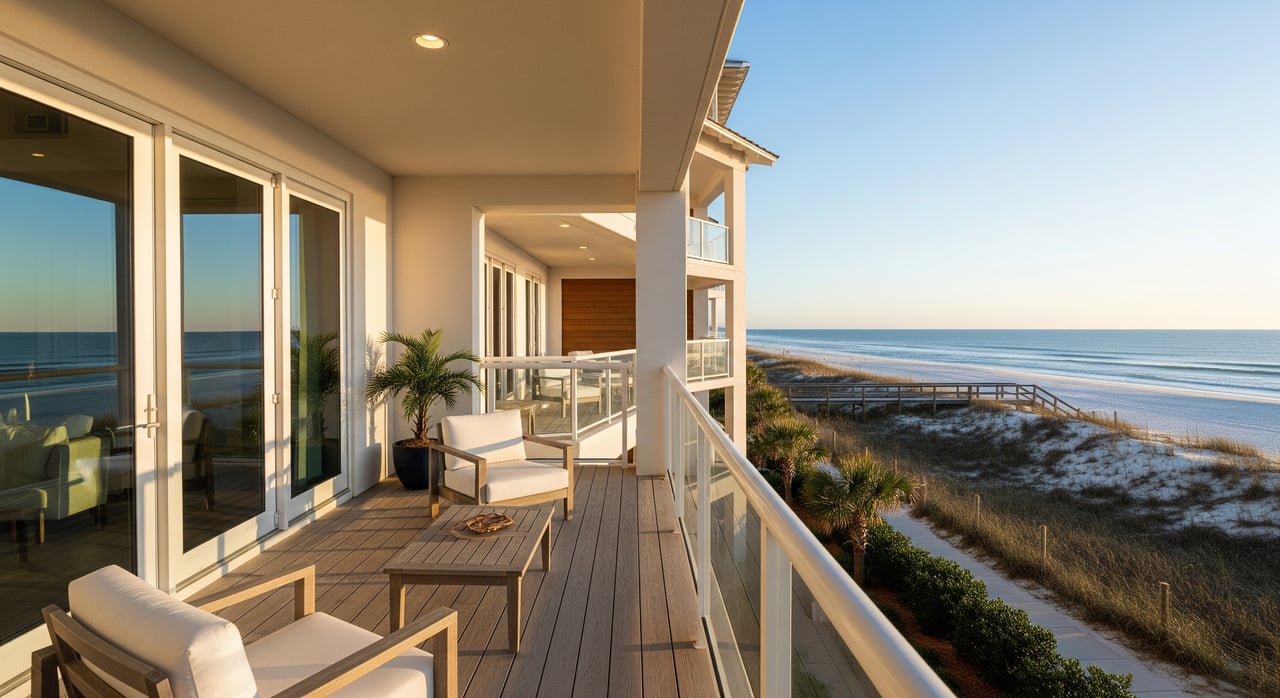
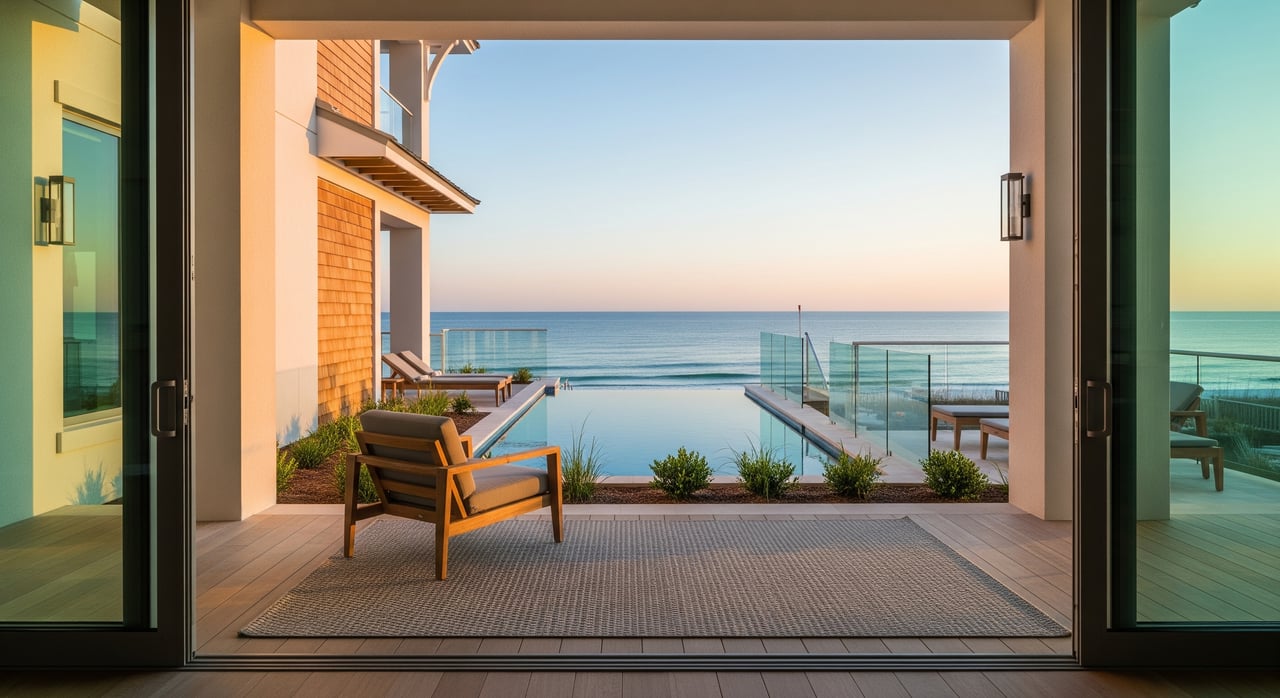
Gulf-front delivers the classic postcard view: an unobstructed water horizon and, with the right orientation, big sunsets. West-facing balconies usually capture the best evening color.
Bay-front views feel more intimate. You may see boat activity, natural shoreline, and changing light throughout the day. Orientation varies widely, so check each property to confirm sunrise or sunset angles that matter to you.
Gulf-front noise patterns follow beach crowds, seasonal events, and nearby bars or public access. Wave action is constant, and beach erosion or storm surge are part of the environment.
Bay-front noise comes mainly from boat traffic in busy channels or near marinas. Wakes can affect dock safety and seawall wear. Many bay settings feel more private, though restaurants and marinas can concentrate activity at certain times.
Both shorelines sit in a hurricane and coastal flood region. Gulf-front properties often face higher exposure to wave action and storm surge and may fall within VE or Coastal V zones on FEMA flood maps, which can increase elevation requirements and flood insurance costs. Bay-front parcels can sit in AE or coastal A zones, but risk still varies by site.
Plan for separate wind or hurricane deductibles and talk with local insurance brokers to compare premiums for similar gulf vs. bay properties. Construction quality and elevation matter on both sides. Many gulf-front buildings are elevated and use impact-rated windows and corrosion-resistant materials to meet coastal codes.
If the bay is your choice, expect dock and lift details to be part of due diligence. Private docks, covered slips, floating docks, and boat lifts usually require permits and ongoing maintenance. Confirm whether the HOA or the individual owner is responsible for upkeep and repairs. Seawalls and bulkheads have specific environmental and permitting constraints.
Gulf-front ownership typically does not include private ocean-side docks. Beach management, dune protection, and crossover upkeep are more common elements.
Verify deeded beach access, easements, and how local public access points relate to the property line. If you plan to rent, confirm city and county lodging tax requirements and any local registration rules. HOA covenants can set minimum stays, require rental registration, or restrict rentals altogether. Understand the full package before you buy.
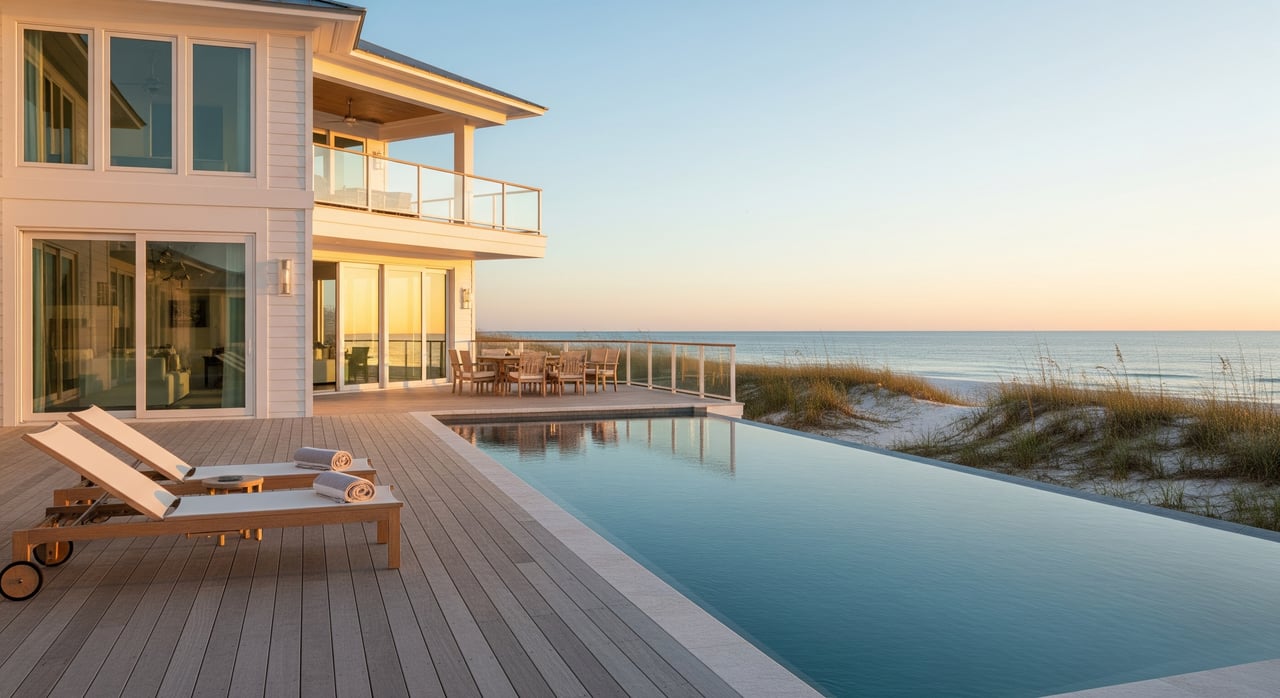
Gulf-front developments prioritize the beach: dune walkovers, beachside pools, outdoor showers, and guest services that cater to vacationers. Bay-front communities lean into marine amenities: docks, slips, lifts, fishing piers, boat storage, and sometimes a more residential design and aesthetic.
HOA fees reflect the cost of these features. Marina infrastructure, docks, and seawalls are expensive to maintain, and so is beach and dune protection. Review budgets, reserve studies, and any history of special assessments.
Salt air is tough on everything. Both orientations benefit from hurricane-rated windows and doors and corrosion-resistant hardware. On the bay, pilings, docks, and lifts require regular inspections and service. On the Gulf, dune preservation and beach renourishment initiatives can affect long-term maintenance planning.
Gulf-front often commands the highest price premium because of direct beach access, the big-view factor, and broad vacation appeal. In strong tourism years, this can amplify rental demand and support pricing.
Bay-front attracts boating and angling buyers who value easy water access and a quieter daily rhythm. Prices can be lower per square foot compared to gulf-front, but properties with deep-water access and quality slips can achieve strong values.
Gulf-front usually delivers higher peak-season occupancy and nightly rates thanks to the sand-and-surf draw. Many investors target these buildings for short-term rentals. Bay-front can work well for fishing groups, boating getaways, and shoulder-season weekends, especially when slips are available. Demand is more niche and depends on the specific location and amenities.
Always verify city and county requirements, tax collection obligations, and HOA restrictions before you underwrite rental income.
Gulf-front appeals to a broad national buyer pool, which can support liquidity in varied market cycles. Bay-front draws a more specialized set of buyers who are passionate about boating and calm-water living. That can narrow the pool, but it often deepens conviction among the right buyers. For resale, factors like elevator condition, parking access, flood history, dock condition, and HOA governance can make a clear difference.
Use this quick checklist when you tour properties or review listings:
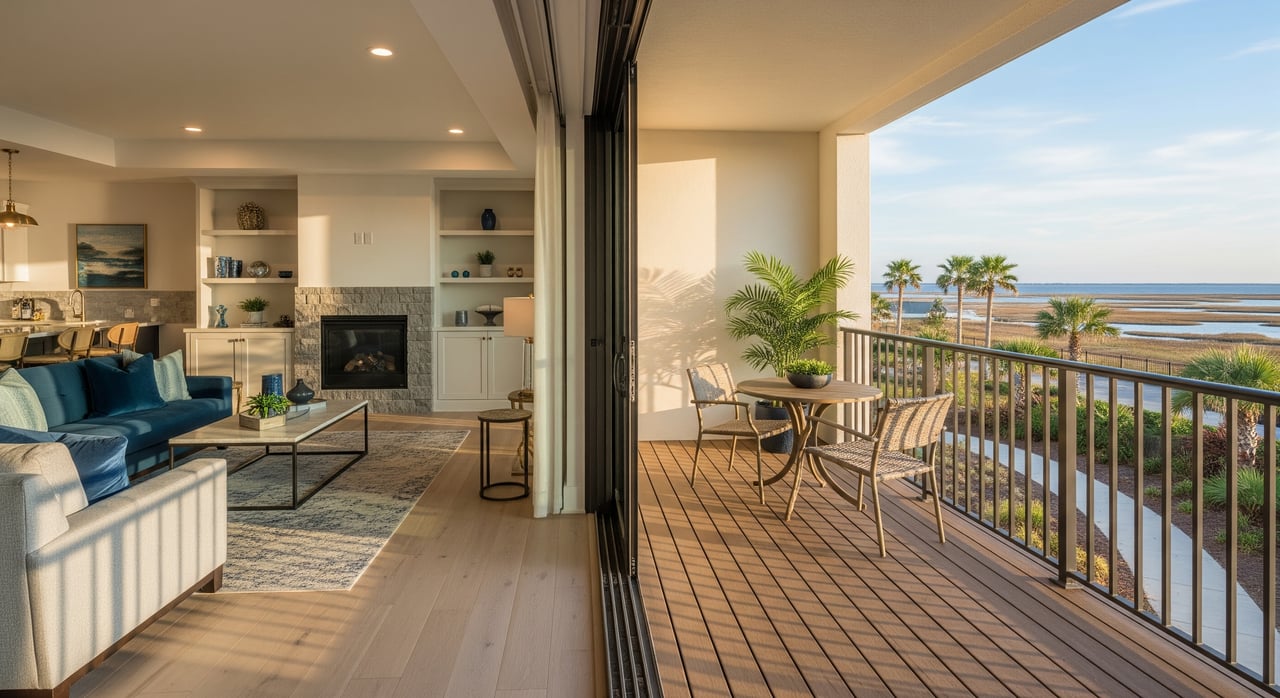
Expect large ocean-facing balconies with glass or aluminum railings, elevated structures that meet coastal codes, and amenity decks with pools and showers near dune crossovers. Many buildings are designed for guest flow and rental management convenience.
Look for community or private docks, covered slips, floating docks, and boat lifts. Seawalls and bulkheads are common, along with storage for kayaks and paddleboards. Some communities feature gated entries, easy marina access, and shaded porches that frame calm-water views.
Choosing between gulf-front and bay-front is really about how you want to spend your days. If you crave sunrise beach walks and sweeping views, the Gulf makes a strong case. If you live for smooth-water mornings and keeping your boat steps from the door, the bay answers that call. Either way, the right due diligence will protect your enjoyment and your investment.
If you want a calm, concierge-style process with clear guidance on HOA rules, rental potential, insurance, and local comps, connect with Charlie Guy. You will get tailored options on both shorelines and a plan that fits your lifestyle and goals.
Stay up to date on the latest real estate trends.
Whether you're buying or selling, I encourage you to contact me to experience the difference. I've been in Real Estate for over 20 years and a lifetime resident of the Gulf Coast.