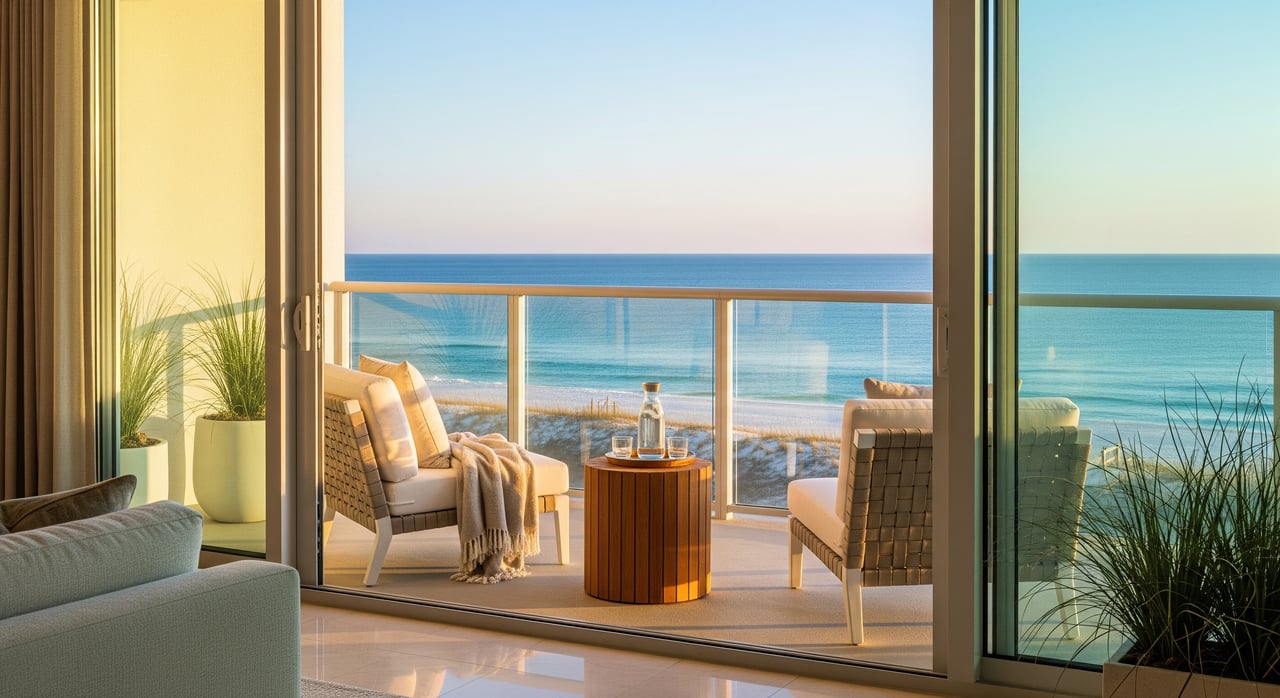
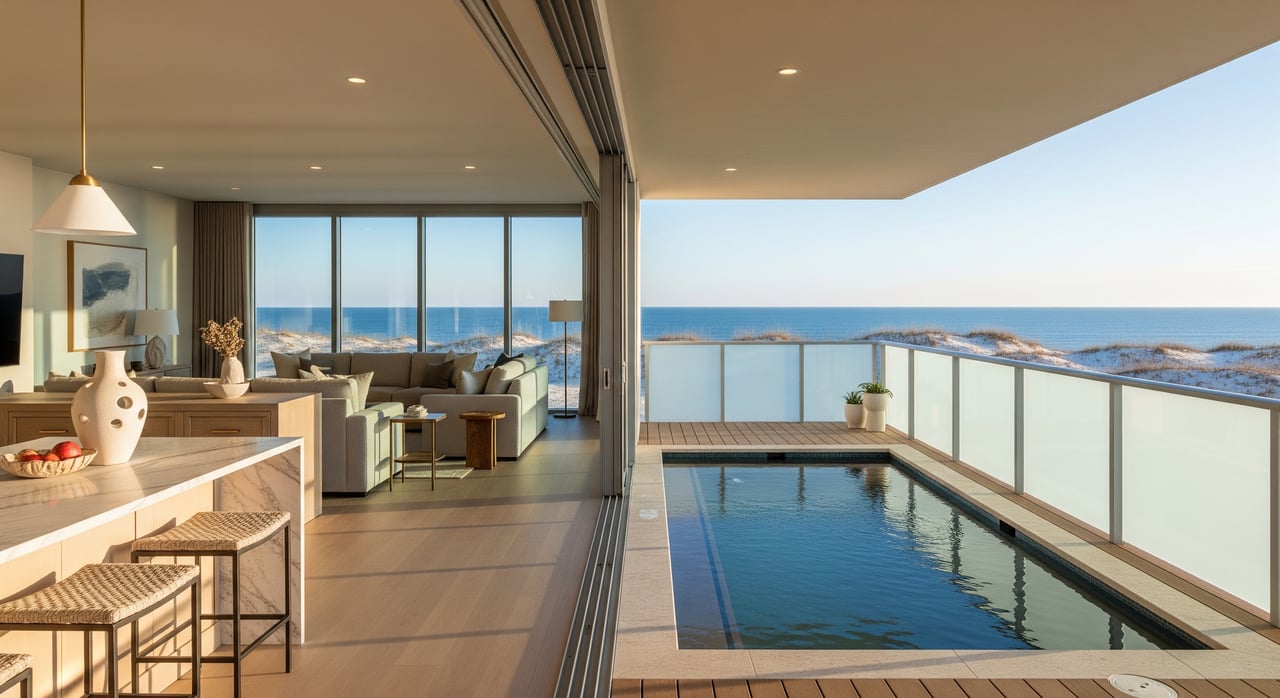
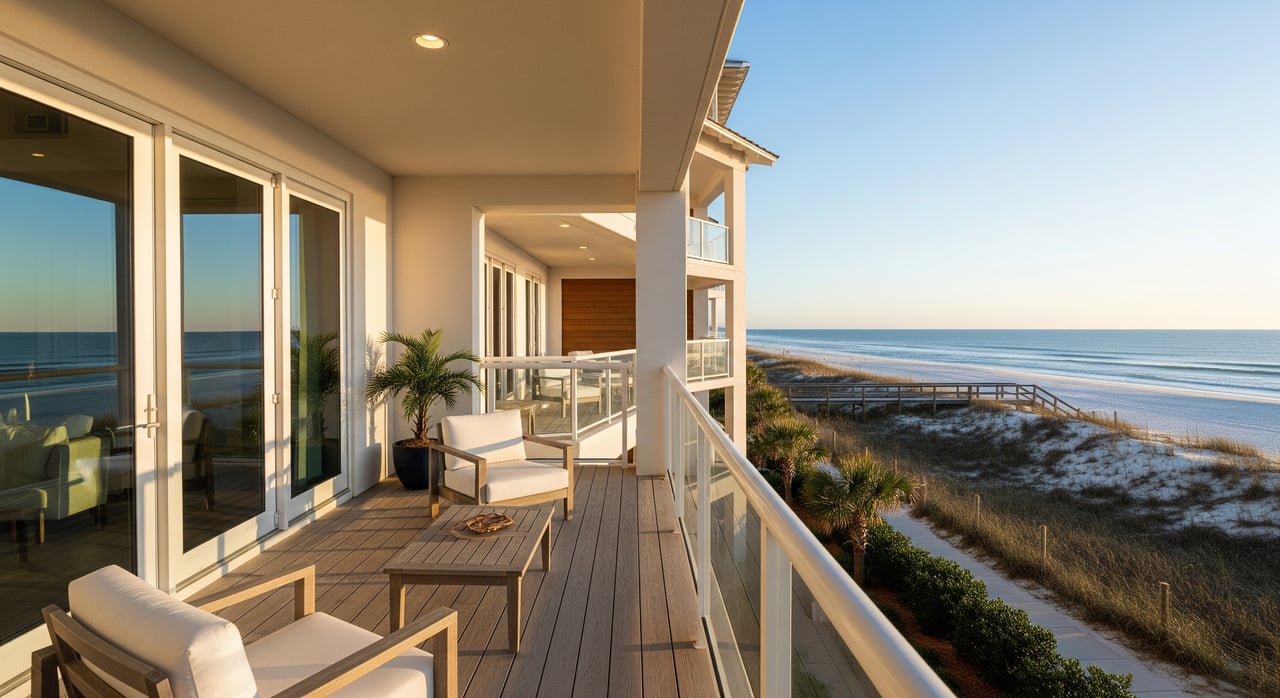
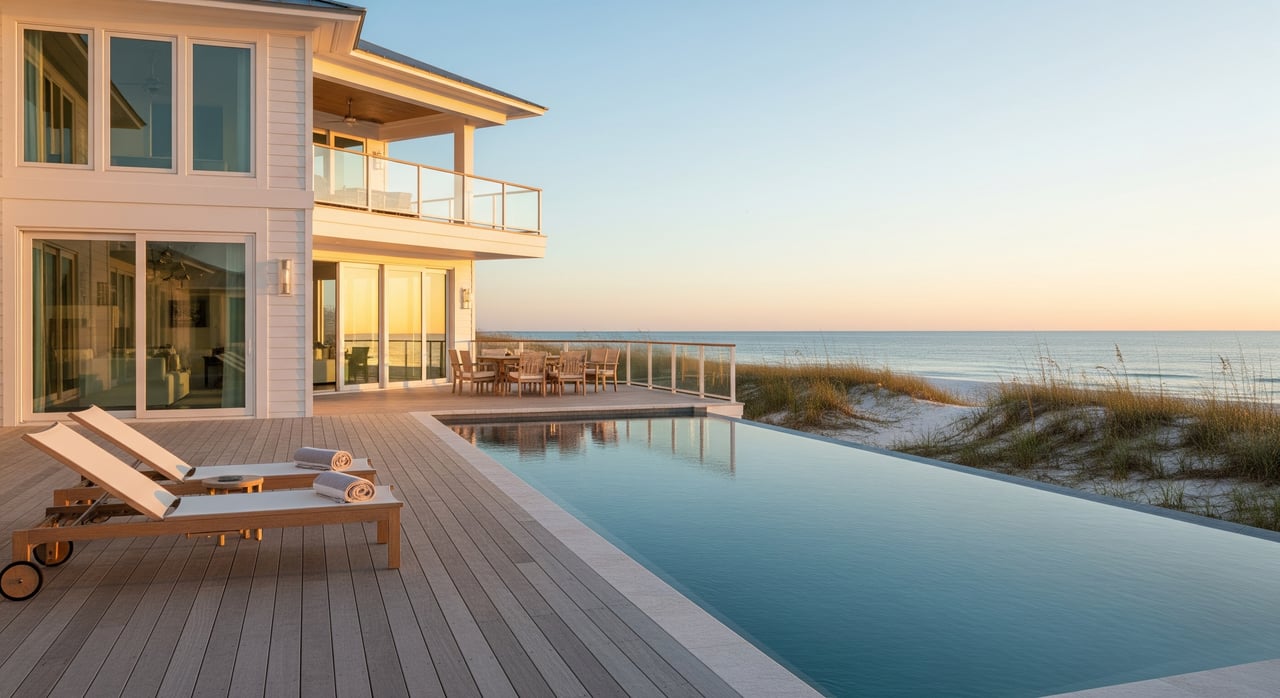
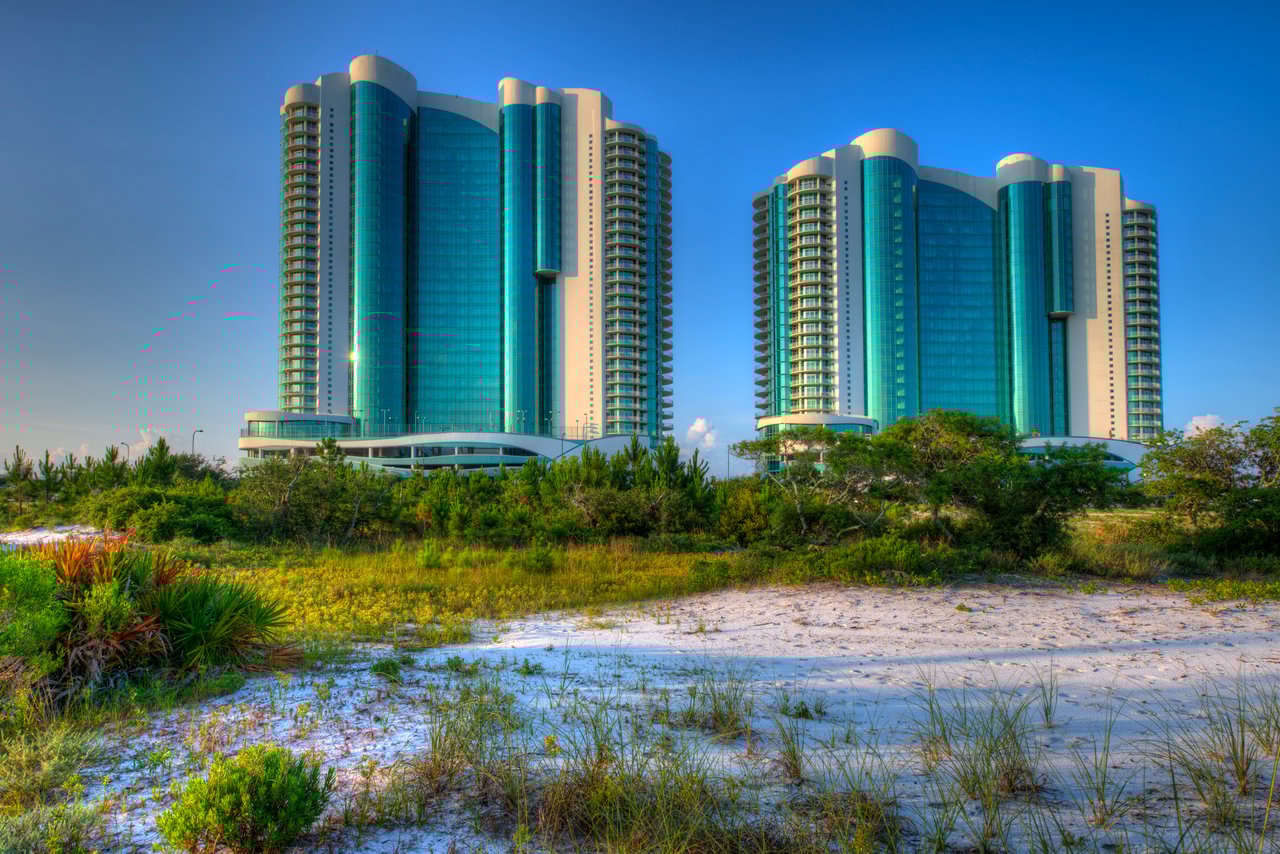
You want the view, the balcony hot tub, and the easy walk to the sand. Buying at Turquoise Place in 36561 can deliver all of that, but the best results come from a clear plan. Between HOA rules, rental policies, inspections, and insurance, there are a few coastal-specific steps worth getting right. In this guide, you’ll learn how to go from first search to a confident close with fewer surprises. Let’s dive in.
Know the 36561 market
The Orange Beach area is seasonal, with peak activity in summer and strong second-home and short-term rental demand. That seasonality shapes prices, rental rates, and showing access. Coastal factors also matter. Hurricane exposure, wind-driven rain, high humidity, and flood risk all affect insurance, maintenance, and long-term durability. Plan your timing and budget with those realities in mind.
Confirm building facts early
Before you make an offer, verify how Turquoise Place is organized. Large beachfront developments may have multiple towers or associations with separate budgets and rules. Ask if there is an on-site rental program or preferred property management. Confirm the official association name you’ll be contracting with, and request a contact for documents and estoppel coordination. Small details at this step make everything else smoother.
Compare stacks and floor plans
A “stack” is the vertical line of identical floor plans that share the same shaft position. Stack choice is one of your biggest decisions because it impacts view, sun and wind exposure, hallway noise, and even resale appeal.
Key features to compare:
- Square footage and bed/bath count.
- Balcony size and shape, plus any hot tub or grilling rules.
- Orientation and view: gulf-facing, bay, or side views. Higher floors usually mean better views and stronger rental appeal.
- Proximity to elevators and potential for hallway noise.
- Storage and parking: assigned or covered spots, on-floor or assigned storage.
- Mechanicals: HVAC location and age, water heater type and placement.
- Window and door systems: hurricane-rated fenestration and service access.
- Layout differences by stack: wet bar, split bedrooms, ceiling heights, or finish variations.
Trade-offs to weigh:
- Lower floors: easier access and often lower price, but more street or amenity noise and less view.
- Higher floors and penthouses: premium views and rental potential, but higher pricing and more wind exposure.
- Corner stacks: more windows and light, often higher demand and pricing.
Budget for HOA, reserves, and insurance
Your monthly assessment should reflect the true cost of operating a coastal high-rise. Typical items include exterior maintenance, elevators, landscaping, pools and fitness, common utilities, trash, management, security, fire systems, and master insurance for common elements. Some associations include cable or internet and pest control.
What to request from the association:
- Current budget, financials, and reserve study with the reserves balance.
- Assessment history and any planned special assessments.
- Delinquency rate and any pending litigation.
- Insurance summary: coverage limits, windstorm and hurricane deductibles, and whether interior finishes are covered by the master policy.
Insurance to line up:
- HO-6 policy for interior finishes and contents. Match limits and deductibles to the master policy and lender requirements.
- Flood insurance where required. Confirm FEMA flood maps and obtain an elevation certificate if needed.
- Understand how wind or named-storm deductibles apply so you know your exposure.
Verify rental rules and taxes
If you plan to rent, confirm the association’s short-term rental policy. Ask about minimum stays, guest rules, maximum occupancy, pet and smoking policies, and whether you must use an on-site or approved manager. If there is an on-site program, review revenue splits, management and cleaning fees, booking platforms, owner blackout dates, and how income is reported.
Local requirements to confirm:
- City short-term rental registration or permits and local contact rules.
- State, county, and city lodging taxes and who files and remits.
- Any business license requirements for hosts in Orange Beach or Baldwin County.
Performance data to request:
- 12 to 24 months of rental statements for the unit, with occupancy by month, average daily rate, gross, fees, and net revenue.
- Comparable performance for the same stack or floor plan.
- Reservation calendar details that may affect your closing or early ownership.
Plan inspections that matter
Hire an inspector experienced with coastal high-rises. Coastal conditions accelerate wear, and balconies and envelopes deserve extra attention.
Inspection focus areas:
- Interior systems and finishes: plumbing, electrical, HVAC age and performance, signs of water intrusion at ceilings and baseboards, mold or mildew, appliances, doors and windows, and flooring.
- Balcony and interfaces: surface and tile condition, railing connections, drainage or weep systems, and hot tub plumbing.
- Exterior envelope: glazing, sealants, cracking, rust stains that can indicate rebar corrosion, and any signs of water penetration. Consider a licensed structural or envelope engineer if issues are suspected.
- Pest and termite inspection, plus wind and hurricane mitigation features.
Document checklist before releasing contingencies:
- Full condo documents: CC&Rs, bylaws, rules, budget and reserves, meeting minutes for 12 to 24 months, insurance summary, and notices of upcoming capital work.
- Estoppel letter confirming dues, unpaid assessments, and rental rules.
- Seller-provided rental history and unit maintenance history, including balcony or water-intrusion repairs and HVAC replacements.
Practical logistics:
- Confirm any limits on inspecting common elements and request existing engineering reports from management.
- Locate unit-specific water shut-offs and mechanical closets.
Line up financing and project approval
Condo loans vary by use. Second-home and investment mortgages often have different underwriting rules, rates, and down payment needs than primary residences. Some loan programs require the condo project to meet approval standards. Issues like high vacancy, litigation, or low reserves can affect eligibility.
What to confirm with your lender:
- Whether Turquoise Place and the specific tower meet project-approval criteria.
- Down payment expectations for your intended use. Investment loans often require larger down payments, commonly 20 to 25 percent or more.
- Insurance requirements for HO-6 and flood coverage. Align deductibles with association and lender rules.
Map the closing logistics
Most condo transactions in this market run 30 to 60 days from contract to close, depending on lender timelines and association responsiveness. The association estoppel or resale certificate often sets the pace.
Key details to coordinate:
- Who pays transfer or administrative fees at closing.
- Who is responsible for any outstanding or upcoming special assessments.
- Title and lender document needs, including the association’s estoppel, payoff statements, and insurance confirmations.
- Closing during hurricane season can add risk of delays or insurance changes. Build in flexibility when possible.
Time your purchase around rentals
Peak season and existing reservations can limit immediate owner use after closing. If you are buying an income-producing unit, review the booking calendar early. Decide whether to honor upcoming stays or negotiate changes. Align your closing date with turnovers to reduce stress and protect revenue.
A practical search-to-close timeline
- Pre-offer: Identify target stacks and floor plans, review balcony photos, and ask for sample governing documents. If investing, review the rental calendar and request recent statements. Talk to a local lender who regularly funds coastal condos.
- Offer to contract, 7 to 14 days: Include contingencies for document review, estoppel receipt, and inspections. Clarify who pays estoppel and transfer fees.
- Inspection and document review, 10 to 21 days: Complete your inspections and any specialist evaluations. Review minutes, budget, reserves, and insurance summaries. If concerns arise, consult a condo-savvy attorney or specialist.
- Loan underwriting and HOA estoppel, 21 to 45 days: Lender completes underwriting and any project review. Bind HO-6 and flood coverage to satisfy conditions.
- Final walkthrough and close, 0 to 7 days: Confirm condition, inclusions, and turnover logistics for keys and bookings. Plan your first owner stay or guest arrival.
Buyer checklist to use now
Documents to request as soon as you are serious:
- CC&Rs, bylaws, and rules.
- Current budget, monthly or quarterly financials, and reserve study.
- Insurance declarations for the master policy and a carrier list.
- Meeting minutes for the past 12 to 24 months and notices of special assessments.
- Estoppel letter with any past-due amounts or pending assessments.
- Rental program terms, fee schedules, blackout rules, and at least 12 months of rental statements for the unit or a comparable stack.
- Unit repair and maintenance history.
Questions for each party:
- Association or management: What are regular assessments and inclusions, planned increases, reserve balance, capital projects, litigation status, storage and parking rules, and rental restrictions or approvals?
- Seller or rental manager: Provide 12 to 24 months of statements, upcoming reservations that extend past closing, and a list of recent or planned repairs.
- Lender, insurance, and title: Does this tower meet project requirements, what HO-6 and flood limits are required, how do wind deductibles apply, and what transfer or recording fees apply at closing?
Operational planning:
- Ask how owner move-ins work during high season, including elevator reservations, moving hours, and any deposits.
- Identify on-site staff or a manager who will help with keys, parking, and orientation after closing.
Common red flags to avoid
- Low reserves paired with major planned capital work.
- Ongoing litigation that could affect budgets or timelines.
- High owner delinquency on dues.
- Restrictive rental rules that undercut your intended use.
- Evidence of prior water intrusion, recurring mold, or balcony deterioration.
- Missing or expired documentation for hurricane-rated doors and windows.
- Slow or unresponsive management when you request estoppel, budgets, or insurance details.
- Lack of verifiable rental statements when the property is marketed as an investment.
Make your move with local guidance
Buying at Turquoise Place is part lifestyle, part stewardship. When you confirm the right stack, review association health, verify rental rules, and complete coastal-focused inspections, you protect your time and your investment. If you want a concierge process from search to keys, connect with Charlie Guy for seasoned, local guidance tailored to your goals.
FAQs
What should I know about short-term rentals at Turquoise Place?
- Confirm association rules on minimum stays, occupancy, approved managers, and fees, then review 12 to 24 months of unit-level rental statements and the reservation calendar.
How do HOA fees and reserves impact my purchase?
- Request the current budget, financials, reserve study, assessment history, and insurance summary to gauge true operating costs and upcoming capital projects.
Which floor or stack is best for views and noise?
- Higher floors and corners often offer better views and demand, while lower floors trade view for easier access; compare elevator proximity and orientation by stack.
What inspections are most important for a coastal condo?
- Prioritize balcony condition, window and door systems, water-intrusion signs, HVAC age, and building envelope health, and consider an envelope or structural engineer if issues appear.
How long does it take to close a condo in 36561?
- Most condo deals close in 30 to 60 days depending on lending and association timelines, with the estoppel document often setting the pace.
Do I need flood insurance for a unit here?
- Many coastal buildings require separate flood policies; verify FEMA flood maps and obtain an elevation certificate to confirm zoning and quote coverage.