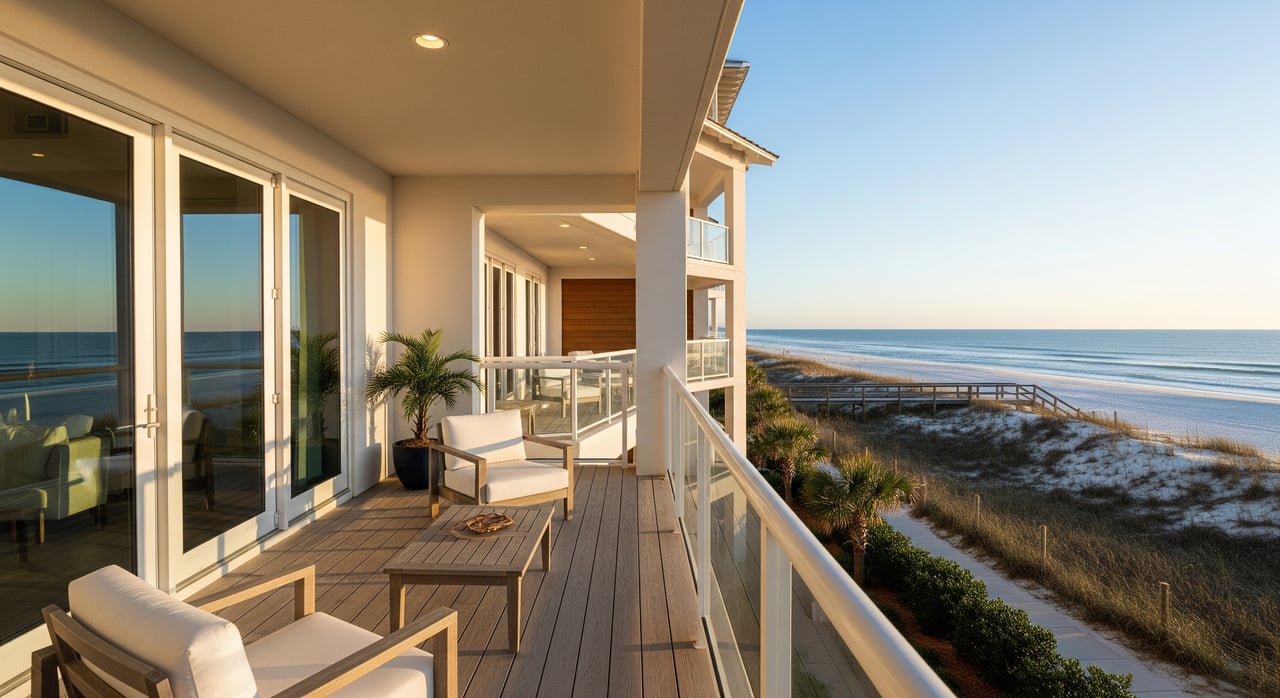
Thinking about selling your Gulf Shores beach condo but dreading the tax bill? If your unit has been used as a rental or investment, a 1031 exchange can help you defer federal capital gains and depreciation recapture when you swap into another investment property. You want clear steps, local insights, and options that fit your goals. In this guide, you’ll learn the timelines, rules, and Gulf Shores considerations that matter, plus practical strategies to structure an exchange with confidence. Let’s dive in.
1031 essentials you must know
A 1031 like-kind exchange lets you defer federal taxes when you sell one investment or business real property and acquire another of equal or greater value. For real property, like-kind is broad. You can exchange a rental condo for another condo, a single-family rental, multi-family, commercial property, or certain fractional interests in real estate trusts, as long as you meet the rules.
- You must identify your replacement property within 45 calendar days of selling your condo.
- You must close on the replacement within 180 calendar days or by your tax return due date, whichever comes first.
- A qualified intermediary must hold your proceeds. You cannot take possession of the funds at any point.
- Any cash you receive or net reduction in debt is taxable boot.
- Identification must be in writing and delivered properly, using rules like the 3-property rule, the 200 percent rule, or the 95 percent exception.
These timelines are strict. Build your plan around the 45-day and 180-day clocks from day one.
Does your condo qualify as investment property?
Many Gulf Shores condos are used for short-term rentals. To qualify for 1031 treatment, your unit must be held primarily for investment or business use. Focus on clear evidence of rental intent:
- Document rental activity and income with bookings, ads, platform statements, and management agreements.
- Keep tax records and depreciation schedules for prior years.
- Limit personal use in line with IRS guidance and safe harbor criteria for dwelling units used as rentals.
If your condo has been primarily a vacation home with minimal rental use, it may not qualify. When in doubt, gather documentation and consult your tax advisor on the safe harbor framework.
Gulf Shores rules and HOAs
Condo associations in Gulf Shores can have rental restrictions, minimum stay requirements, or management and registration rules. The city and county also have licensing, permitting, and occupancy tax requirements for short-term rentals. Before you list or identify a replacement property:
- Review HOA declarations and bylaws for rental policies and any pending rule changes.
- Confirm whether the building or city requires specific registration, permits, or the use of a licensed management company.
- Verify local enforcement trends and compliance steps, since municipal rules can evolve over time.
Align your exchange plan with what is actually allowed so your replacement property supports your investment strategy from day one.
Insurance, flood, and coastal risk
Beachfront property carries wind and flood risk that can affect insurance costs, lender requirements, and cash flow. In Gulf Shores, many condos sit in Special Flood Hazard Areas where flood insurance is required by lenders.
- Check FEMA flood maps to confirm the flood zone and any elevation-related requirements.
- Obtain current quotes for wind, wind-hail, and flood coverage. Insurer appetites and premiums can change seasonally or after storm events.
- Review building maintenance, seawall or dune agreements, and related HOA policies that may affect coverage or future special assessments.
A replacement property that is insurable at reasonable terms is often more valuable and easier to finance.
Seasonality and income stability
Gulf Shores is a seasonal, tourism-driven market. Occupancy, nightly rates, and gross income can shift based on time of year, weather, and travel trends. Lenders and investors look closely at trailing 12 to 36 months of rental performance. If you plan to sell or trade into a rental condo:
- Gather professional management reports and platform performance history.
- Evaluate how seasonality might affect your 45-day identification window and closing logistics.
- Prioritize properties with clear, documented rental histories when selecting replacements.
Replacement property options
You have several paths to match your goals, risk tolerance, and desired involvement:
- Trade up locally. Swap into a larger or better-located Gulf Shores condo to boost rents and stick with a market you know.
- Diversify geographically. Move into non-coastal rentals or commercial assets to reduce insurance and storm risk.
- Consolidate or fragment. Sell one condo and identify several single-family rentals or a small multi-family building using the identification rules.
- Go passive with a Delaware Statutory Trust. If you want hands-off ownership, DSTs allow fractional interests in institutional properties. Understand sponsor restrictions and offering limits before committing.
Each path can work if it aligns with your debt, equity, and timeline needs.
Exchange structures to consider
The simplest route is a forward exchange, where you sell first and buy your replacement afterward. In a competitive market, alternatives may be better fits:
- Forward exchange. Lower cost and most common. The risk is failing to find acceptable replacements within 45 days.
- Reverse exchange. Acquire your replacement first if you find the right condo before selling. This requires a specialized structure with higher fees and lender cooperation.
- Improvement exchange. Use exchange funds to renovate or complete improvements to the replacement property within the exchange period if the asset needs upgrades to meet your goals.
- Fractional options. DSTs provide passive exposure to professionally managed assets. Evaluate control, liquidity limits, and sponsor strength carefully.
Match the structure to your timing and financing realities, and line up the right intermediary early if you pursue a reverse or improvement approach.
Avoiding taxable boot
To fully defer tax, you must meet both value and debt requirements:
- Equal or greater value. Your replacement purchase price should meet or exceed your sale price net of closing adjustments.
- Replace debt. If your old mortgage was larger than your new one, the reduction can create taxable boot unless you contribute cash to make up the difference.
- Coordinate financing. Loans must close within your 180-day window, so make lender timelines part of your identification plan.
Run the numbers on proceeds, debt payoff, and target purchase price before you list your condo.
Due diligence for condos
Gulf Shores condo investments succeed or struggle based on the details in the documents. Before you identify replacements, review the items that most often drive performance and risk:
- HOA documents. Rental rules, fee schedules, pet policies, parking, and any upcoming rule votes.
- Financial health. Reserve studies, budgets, pending or recent special assessments, and any active litigation.
- Insurance. Confirm flood zone, building coverage, wind and flood quotes, and renewal terms.
- Rental evidence. Trailing revenue, occupancy trends, management contracts, guest agreements, and cleaning and maintenance invoices.
- Coastal codes. Dune and coastal protection rules that could affect reconstruction or improvements after storms.
A thorough document review before you identify will help you avoid surprises inside the 45 days.
Timing strategies that work locally
The 45-day clock is where exchanges often rise or fall in Gulf Shores. Desirable units can sell quickly, especially in peak seasons. Set yourself up for success with planning that fits the market’s rhythm:
- Pre-screen replacements and create a short list before you list your condo.
- Use the 3-property identification rule to name backups so you have options.
- If you discover the perfect unit before you sell, explore a reverse exchange with specialized help.
- Coordinate calendars with property managers and lenders so rent rolls and financing align with your timeline.
Small timeline wins early often prevent last-minute compromises.
A Gulf Shores 1031 checklist
Use this step-by-step list to prepare and stay on track:
- Engage advisors early. Work with a CPA or tax attorney who knows 1031s and a qualified intermediary. Consider a real estate attorney for reverse or improvement exchanges.
- Document investment use. Gather 12 to 36 months of rental history, advertising, and management agreements.
- Verify HOA and city rules. Confirm rental restrictions, permit needs, and municipal registration or occupancy tax requirements.
- Price insurance risk. Obtain current wind, wind-hail, and flood quotes and note underwriting conditions that may affect closing.
- Map the numbers. Estimate net proceeds, your existing loan payoff, and a target replacement value to avoid boot.
- Choose your structure. Decide on forward, reverse, improvement, or DST, and confirm fees and availability with your intermediary.
- Build a backup list. Pre-identify multiple candidates to satisfy the 45-day rule.
- Track every step. Keep identification notices, escrow instructions, and communications organized.
- Close on time. Ensure your intermediary holds funds and your replacement closes within 180 days.
- Retain records. Keep exchange and rental documents for tax reporting and future audits.
How this fits your goals
Your best 1031 strategy depends on what you value most. If you want higher income and familiarity, trading up within Gulf Shores may make sense. If you want to dial down insurance exposure, diversify into non-coastal assets. If you want less day-to-day involvement, a passive fractional option may be right. The key is aligning the exchange structure, identification plan, and due diligence with how you prefer to invest and how you expect the Gulf Shores rental market to perform.
Work with a local condo specialist
Exchanges add moving parts to an already time-sensitive process. A seasoned Gulf Coast condo advisor can help you select the right buildings, understand HOA rules, anticipate insurance trends, and position your property’s rental story for investors. When you are ready to explore a sale, a swap, or a longer-range investment plan around Gulf Shores condos, connect with a trusted local partner. To discuss your objectives and map your next steps, reach out to Charlie Guy.
FAQs
What is a 1031 exchange for Gulf Shores condos?
- It is a federal tax-deferral strategy that lets you sell an investment condo and acquire another investment or business property of like-kind within strict identification and closing timelines.
How do the 45-day and 180-day deadlines work in a 1031?
- You must identify replacement property in writing within 45 days of your sale and close on the replacement within 180 days or by your tax return due date.
Can I 1031 a Gulf Shores condo I used part-time?
- Possibly, if you can show the unit was held for investment with documented rental activity and limited personal use in line with IRS guidance and safe harbors.
What local HOA or city rules can affect a 1031 plan?
- Rental restrictions, minimum stay policies, licensing or registration, and occupancy tax requirements can impact both your current unit and any replacement you identify.
How do insurance and flood zones affect replacement choices?
- Lenders may require flood coverage in certain zones, and wind or flood premiums can affect cash flow, financing, and long-term viability of a replacement property.
What is taxable boot in a 1031 exchange?
- Boot is any cash received or net reduction in mortgage debt. To fully defer tax, purchase equal or greater value and replace prior debt or add cash.
What are my replacement options if I want less active management?
- You can consider passive fractional interests such as Delaware Statutory Trusts, understanding the control, liquidity, and sponsor-related limitations.
What happens if I cannot find a replacement in 45 days?
- Consider identifying multiple backups upfront or explore a reverse exchange if you must acquire before selling. If you miss the deadline, the exchange fails and gain may be taxable.