Indigo Condos vs Other Perdido Key Buildings For Investors
February 26, 2026
February 26, 2026
Trying to pick between Indigo and other Perdido Key condos for an investment in 32507 can feel like comparing apples to oranges. Each building plays by different rental rules, carries different costs, and attracts different types of bookings. If you want reliable cashflow and a smoother ownership experience, you need to match your strategy to the right tower. In this guide, you’ll see how Indigo stacks up against Sandy Key, La Riva, Florencia, and Vista Del Mar so you can buy with clarity. Let’s dive in.
Perdido Key benefits from steady coastal tourism and a strong peak season. Visit Pensacola’s FY2024 report highlights more than 2 million visitors and robust tourist tax collections, which supports short-stay demand across the Key. That backdrop helps investors who buy in buildings that allow weekly rentals.
The single biggest driver of rental income is the building’s rental policy. Some buildings allow weekly stays. Others require monthly or annual leases. That rule will shape your occupancy, rates, and management options from day one.
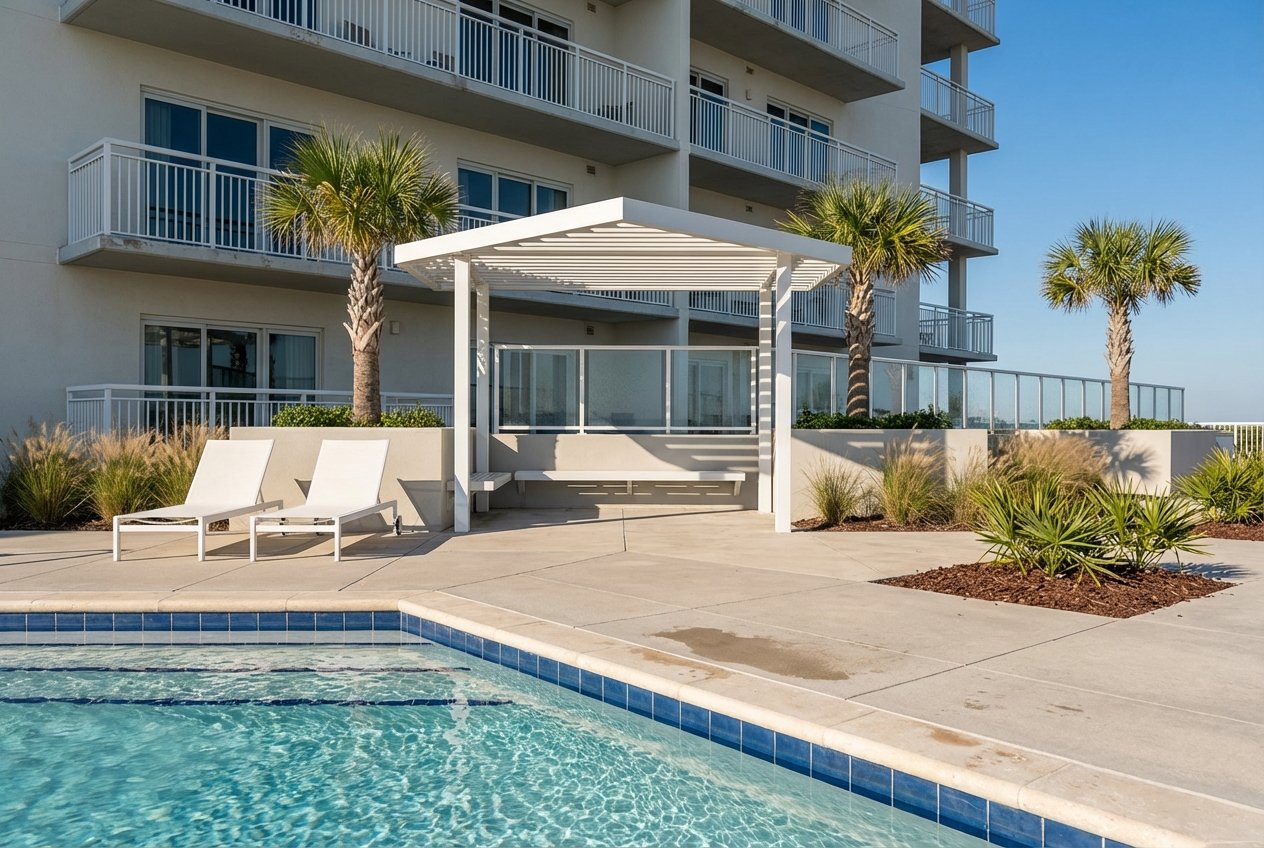
Indigo is a two-tower, Gulf-front property with a published 7-night minimum rental. You can confirm this on the association’s Rules and Regulations page. Weekly minimums support traditional vacation-rental calendars, which many local agencies manage for owners. That setup gives you access to peak-season demand while maintaining turnover standards the association expects.
Recent listing activity shows 2 to 3-bedroom Indigo units commonly ranging from the high $600,000s to low $1.2 million range depending on view, size, and finish. Larger 4-bedroom, corner, and penthouse residences trend above $1 million and can exceed $1.5 million. Sample annual HOA dues referenced in recent listings for standard footprints often fall around the low- to mid-teens in thousands per year, but exact amounts vary by stack and square footage. Always verify current dues and assessments with the association.
Indigo’s amenity mix is a draw for vacationers. Highlights include a resort-style pool complex, hot tub, fitness center, theatre, social rooms, and approximately 500 feet of private beach access, as outlined on the Indigo amenities page. The combination of beachfront, resort features, and a weekly rental model gives Indigo broad appeal for multi-guest stays.
Sandy Key is a three-tower, mid-rise community with strong repeat vacation-rental history. Weekly rentals are common, and on-site rental operations have historically made it convenient to run as a vacation property. Typical 2 to 3-bedroom listings have clustered around the mid $600,000s to the $800,000 range in recent activity, with sample monthly HOA figures that annualize to roughly the lower five figures. Expect plentiful rental comps since the complex has a larger unit count.
Investor fit: You want a weekly rental product with on-site support and you are comfortable in a larger community where supply is higher but demand is also proven.
Florencia sits on Old River with a Mediterranean style, boat access, and indoor-outdoor amenities. Many sources note a 30-night minimum rental, which shifts your strategy toward monthly and seasonal stays rather than weekly tourism. Pricing for multi-bedroom residences and penthouses has ranged from the upper six figures to the low or mid seven figures in recent listing activity, with HOA dues that scale up for larger footprints.
Investor fit: You prefer a quieter, residential feel with the option for monthly or seasonal rentals, potentially appealing to longer-stay guests and boaters.
La Riva is a gated, low-density luxury property with about 66 residences across three towers. Listings commonly cite a 1-year minimum lease, which effectively removes short-term renting from the playbook. Pricing has broadly ranged from roughly $1 million to $2.5 million or more for larger residences. HOA dues trend higher in line with the building’s scale, amenities, and footprint sizes.
Investor fit: You prioritize privacy and capital preservation over weekly rental income, and you prefer an owner-occupant or long-term lease profile.
Vista Del Mar is a newer, high-end community adjacent to Johnson Beach and Gulf Islands National Seashore. Listings and project notes often describe rent restrictions with monthly or longer minimums. Recent pricing for 3 to 5-bedroom residences often sits in the $1.5 million to $3 million range for premium views and penthouses, with HOA dues that reflect large unit sizes and luxury amenities.
Investor fit: You want a luxury residence with limited density and are not relying on weekly short-term rental income.
Beachfront association dues are driven by insurance, amenities, staffing, and reserves. Listings will show dues per unit, but the real risk lies in the reserve pipeline and any planned projects. Before you commit, request the current year budget, YTD financials, and the most recent reserve study. For a plain-language explainer on what association dues cover in Perdido Key, see this overview on condo association dues.
Coastal towers face wind and flood exposure. Associations carry master insurance, while owners typically carry an HO-6 interior policy and may have loss-assessment exposure. Confirm master policy deductibles and whether the association carries flood insurance on common elements. Florida’s condominium laws outline key disclosure and reserve concepts, including insurance considerations under Section 718.115. These details can change your true carrying cost.
On-site rental desks simplify operations but may come with set commission structures, marketing fees, or booking rules. Some buildings are entirely owner-managed or rely on third-party agencies. If you plan to operate as a short-term rental, confirm whether the association has any on-site manager agreements, rental caps, or registration rules. For context on how on-site programs often work in the area, review the Perdido Sun resort info, which illustrates a local rental-desk model.
Rent-restricted towers can attract end users and longer holds, while weekly-rental buildings often see more investor turnover. Lenders treat condo projects differently depending on project status and association health. Florida’s Chapter 718 establishes disclosure frameworks relevant to buyers and lenders. If you plan to finance, understand your lender’s project review requirements early, as outlined in Section 718.621.
Use this list to tighten your numbers and avoid surprises:
No matter which path you choose, the right call in 32507 starts with the building’s rental rules, then the financials and insurance structure, and finally the finish level and view that drive guest demand or resale value.
Ready to narrow your list, build a clean pro forma, and tour the right stacks and views at the right times of day. Connect with Charlie Guy for a tailored plan and on-the-ground guidance.
Stay up to date on the latest real estate trends.


Whether you're buying or selling, I encourage you to contact me to experience the difference. I've been in Real Estate for over 20 years and a lifetime resident of the Gulf Coast.