Thinking about a La Vista condo and wondering what the HOA might allow or limit? You are not alone. The right details protect your lifestyle plans, rental strategy, and budget after closing. In this guide, you will learn exactly which documents to request and the key rules to review, with a focus on pets, parking, balconies, renovations, and rentals. You will also get a simple script for questions to ask before you make an offer. Let’s dive in.
Confirm jurisdiction first
La Vista sits in the Perdido Key area near the Florida and Alabama line. Before you rely on any rule or statute, confirm the property’s legal jurisdiction. Perdido Key is in Escambia County, Florida, while nearby Orange Beach is in Baldwin County, Alabama. State and county rules, permitting, and association statutes can differ, so make sure you are reviewing the correct legal framework for your unit.
Core documents to request now
Ask the seller, HOA, or management for a full due-diligence packet and confirm receipt in writing. Prioritize these items:
- Declaration of Condominium or CC&Rs and the recorded plat or map
- Articles of Incorporation and current Bylaws
- Current Rules and Regulations plus all amendments
- Resale or estoppel certificate showing fees, violations, and assessments
- Current budget, prior 2–3 years of budgets, and the most recent reserve study
- Board meeting minutes for the last 12–24 months
- Master insurance policy summaries and any flood or wind coverage details
- Parking plan and pet policy, including any registries
- Leasing policies and any rental registration or cap data
- Architectural guidelines and alteration application forms
- Litigation disclosures and any special assessment notices
What to check in the rules
Pets
Pet policies often surprise buyers. Read the pet section closely and look for:
- Allowed number of pets and any weight or breed limits
- Registration and vaccination requirements, and where pets are allowed in common areas
- Fines or remedies for violations
- The process for requesting accommodations for assistance animals consistent with the Fair Housing Act
If you have a large dog or plan to add a pet later, match the rules to your plans before you go under contract.
Parking and vehicles
Parking affects daily convenience and guest experience. Confirm:
- Whether spaces are deeded to your unit, assigned by the association, or first come first served
- Rules for guest parking and how passes or decals are issued
- Restrictions on boats, trailers, commercial vehicles, RVs, or motorcycles, and where those may be stored
- Towing policies and enforcement authority
- EV charging policy and whether owners can install a charger, plus cost and approval steps
If you expect to host renters or frequent guests, make sure visitor parking rules fit your plan.
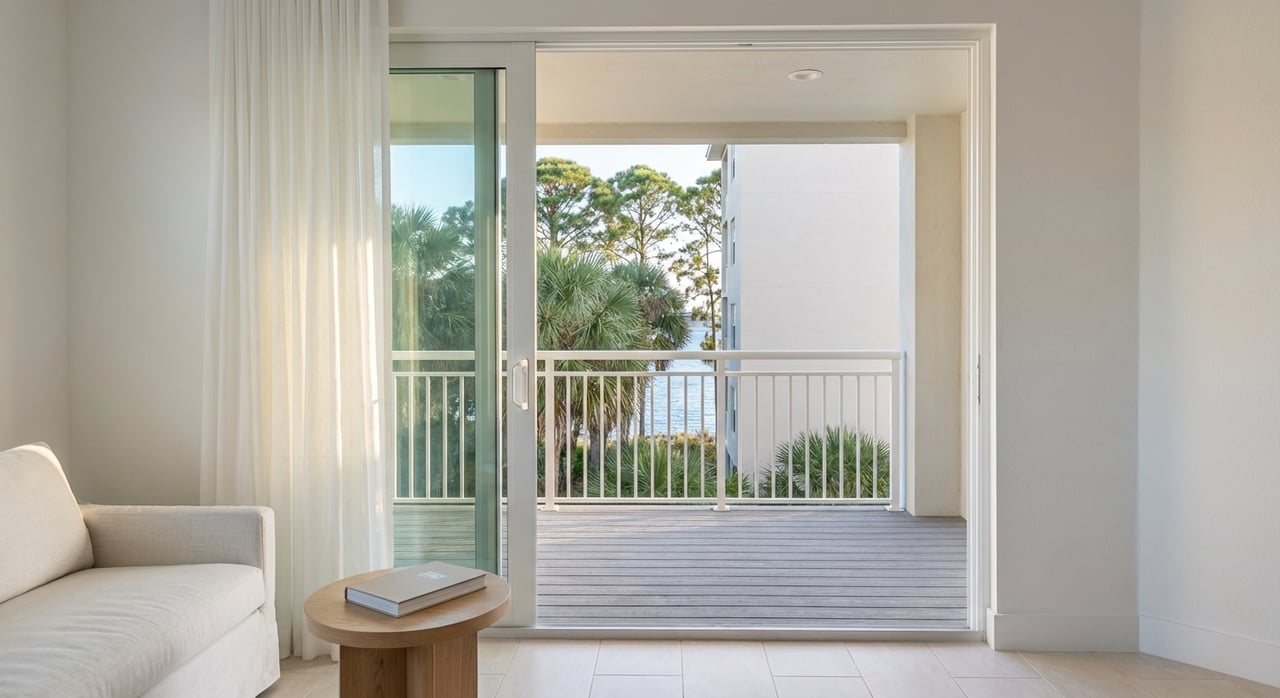
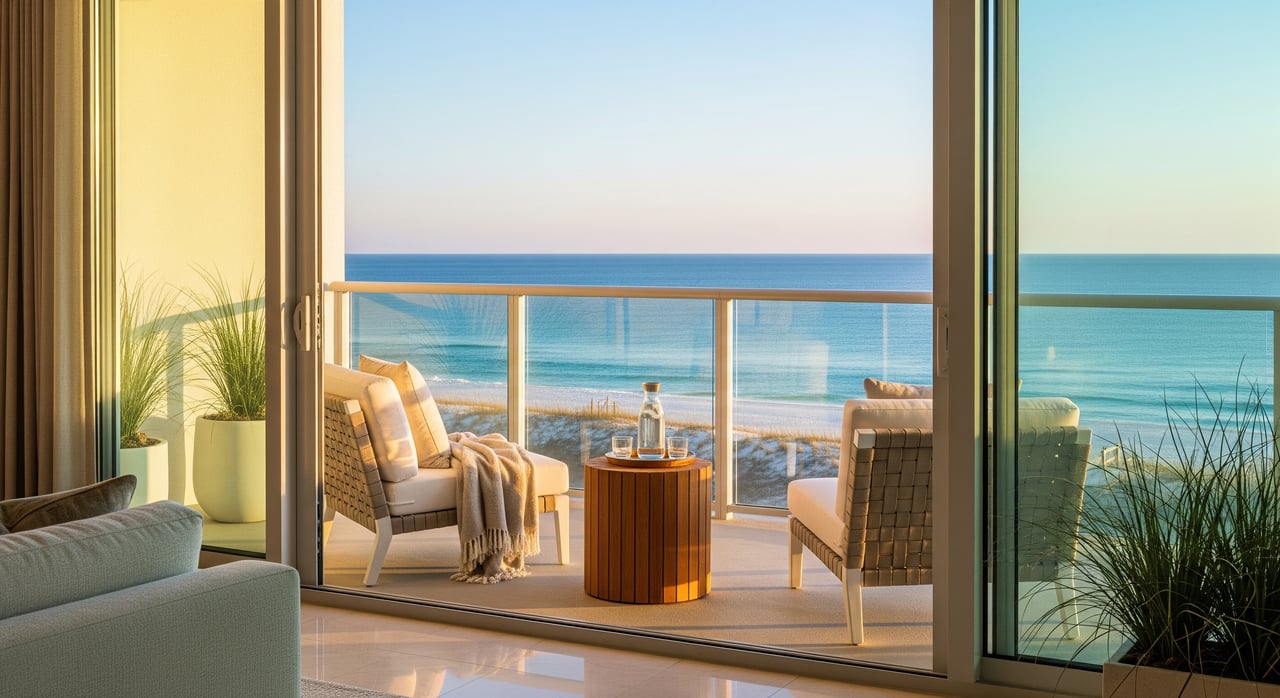
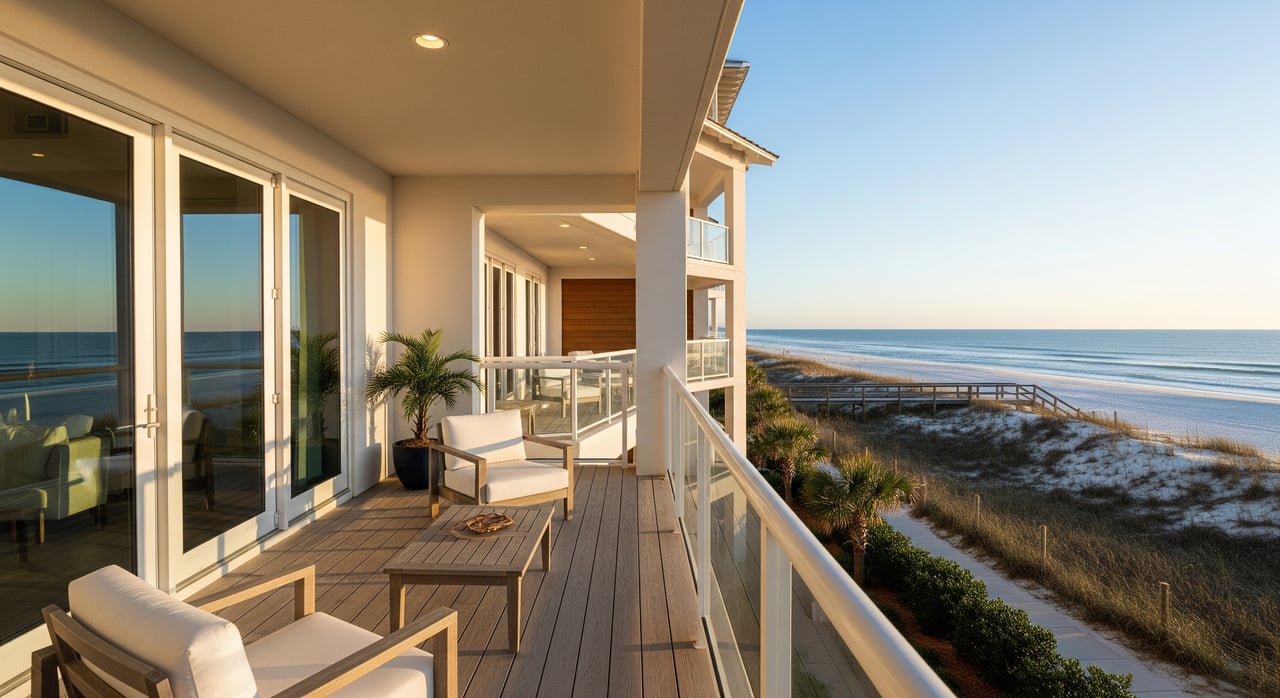
Balconies and exterior use
Balconies and patios are common hot spots in coastal condos. Verify:
- Whether the balcony is part of the unit or a common element that the association controls
- Who pays for repairs or replacement of decking, railings, and finishes
- Rules for grills, storage, plants, hanging items, flooring, and holiday decor
- Approved hurricane shutters or storm protection systems and the approval process
- Any prohibition on glass enclosures, screens, or satellite dishes
Coastal buildings often have strict fire and wind standards. Expect specific appearance and attachment rules for storm protection.
Renovations and alterations
If you plan to update interiors or replace windows and doors, review:
- Definitions of unit boundaries versus common elements and who is responsible for each surface or system
- Alteration application requirements, timelines, and the appeal process
- Contractor licensing, insurance, and permit requirements
- Work-hour restrictions, elevator use rules, debris removal, and common-area protection
- Any limits on layout changes or systems that affect other units, like HVAC and plumbing
Complex or structural work can require engineered plans and local permits. Build the approval timeline into your closing and project plan.
Rentals and leasing
If rental income is part of your strategy, the leasing section is critical. Confirm:
- Whether short-term rentals are allowed, restricted, or banned
- Minimum lease term and any caps on the number or percentage of rentable units
- Registration steps, tenant screening, and access card policies
- Requirements for owner contact information and guest compliance with the rules
- Penalties for violations, such as fines or loss of privileges
Get written confirmation of the current rental policy and any pending amendments before you finalize your offer.
Insurance and coastal risks
Insurance and coastal compliance affect both costs and resilience. Review:
- What the master policy covers, including wind or hurricane coverage and the deductibles
- Required owner policies and minimum limits for interior coverage
- Flood zone status and whether the building participates in the National Flood Insurance Program
- Any recent claims, carrier nonrenewals, or deductible changes
Ask for the building’s elevation certificate if it is in a flood zone so you can price the right coverage for your unit.
Financial health and enforcement
A strong financial position can reduce surprise assessments. Look for:
- Healthy reserves backed by a recent reserve study and funding plan
- A stable operating budget without chronic shortfalls
- Clear and consistent enforcement practices detailed in minutes and violation records
- Disclosure of any ongoing or threatened litigation
Low reserves, litigation, or management turnover can be early warnings of higher costs ahead.
Questions to ask the HOA
Use these questions to get crisp answers and documentation:
- Please provide the current Declaration, Bylaws, Rules and Regulations, and all amendments.
- Is there an active resale or estoppel certificate for this unit, and can you provide the latest copy?
- Are short-term rentals permitted? What is the minimum lease term and are rentals capped?
- What is the pet policy, including number and weight limits? Are any pet registrations on file for this unit?
- How are parking spaces assigned and are there any outstanding parking violations for this unit?
- Who is responsible for balcony maintenance and what rules apply to use and modifications?
- Is there any pending or threatened litigation involving the association?
- Please provide the last three years of budgets, the most recent reserve study, and any notices about special assessments.
- Does the association have a process for reasonable accommodations for assistance animals?
- Can you provide the management contract and master insurance declarations?
Common red flags
Watch for issues that can derail closings or change your cost picture:
- Announced or imminent special assessments that will be billed after closing
- Low or unfunded reserves compared with the reserve study
- Recent or active litigation, especially construction or insurance claims
- Strict or newly tightened rental restrictions that do not fit your plan
- Parking, pet, or balcony rules that conflict with your lifestyle
- Inconsistent enforcement or a pattern of selective fines in the minutes
- Insurance nonrenewals or high wind deductibles that push costs onto owners
- Unclear ownership or responsibility for exterior elements like railings or roofs
Smart next steps
Set yourself up for a smooth, informed purchase:
- Confirm the unit’s legal jurisdiction so you apply the correct state statutes and permitting rules
- Order the estoppel or resale certificate early in escrow to uncover fees, violations, and assessment exposure
- Read the last 12–24 months of board minutes to spot policy shifts and owner concerns
- Verify flood zone status and request the elevation certificate if applicable
- If you plan renovations, gather the alteration requirements and pursue pre-approval before closing
- If you plan to rent, get written confirmation of rental rules and any local registration needs
- If documents are complex or risks are unclear, engage a Florida condo-savvy attorney or a local agent who regularly handles coastal associations
Closing thoughts
Association documents shape your daily life, rental potential, and budget at La Vista. When you review the rules with a careful eye on pets, parking, balconies, renovations, rentals, reserves, and insurance, you make a confident decision and avoid post-closing surprises. If you want a second set of eyes or local insight on how these rules play out in practice, reach out and let’s talk through your plan.
Ready for tailored guidance on La Vista and the broader Perdido Key and Orange Beach market? Work With Charlie for concierge-level advice and a clear strategy from offer to close.
FAQs
What documents should I review before buying a La Vista condo?
- Request the Declaration and plat, Bylaws, Rules and Regulations, estoppel certificate, current and recent budgets, the latest reserve study, meeting minutes, master insurance summaries, leasing and pet policies, parking plan, and any litigation or special assessment notices.
How do I know who maintains my balcony at La Vista?
- Read the definitions of unit versus common elements in the Declaration and the balcony section in the Rules. Look for statements assigning maintenance and replacement of railings, decking, or finishes to either the owner or the association.
Are short-term rentals allowed at La Vista in Perdido Key?
- Check the leasing policy for whether short-term rentals are allowed, the minimum lease term, and any rental caps. Ask the HOA for written confirmation of the current rule and whether any amendments are pending.
Can my large dog live with me in a La Vista unit?
- Review the pet policy for number, weight, or breed limits and restrictions in common areas. Note that associations must consider reasonable accommodations for assistance animals under the Fair Housing Act.
What should I ask about insurance for a coastal condo like La Vista?
- Confirm what the master policy covers, wind or hurricane deductibles, required owner coverage, flood zone status, and whether the building participates in NFIP. Request any recent claims history.
How can I avoid surprise assessments after closing at La Vista?
- Order the estoppel certificate early, study the reserve study and budgets, and read recent board minutes for planned projects or litigation. Ask directly about announced or potential special assessments.